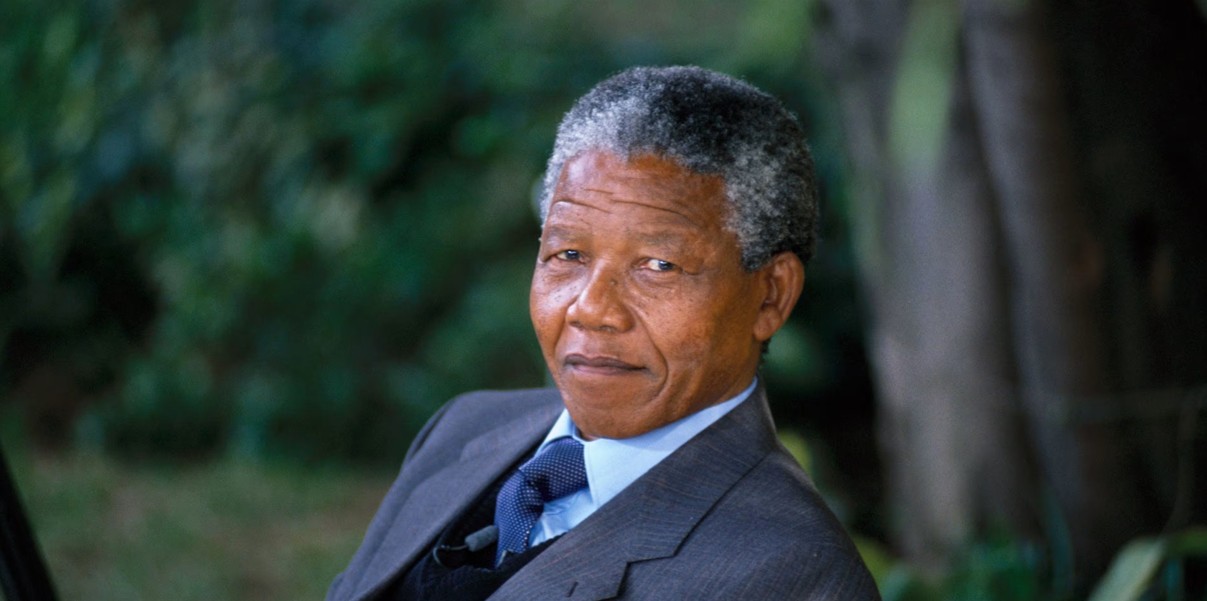
Some names echo through history, not just for the actions they took, but for the profound shifts in human consciousness they inspired. Nelson Rolihlahla Mandela, affectionately known as Madiba, is one such name. His life story is a powerful testament to resilience, the fight for justice, and the transformative power of reconciliation.
Beyond the iconic images – the raised fist, the beaming smile upon release from prison, the inauguration as South Africa’s first black president – lies a narrative that continues to resonate with profound relevance today.
The Genesis of a Revolution
Born in 1918 in a small village in the Eastern Cape, South Africa, Mandela grew up in a society rigidly segregated by apartheid. This system of institutionalized racial discrimination dictated every aspect of life, condemning the black majority to a life of oppression, poverty, and indignity.
Mandela, a young lawyer, could not stand idly by. He joined the African National Congress (ANC) in 1944, quickly becoming a leading figure in the resistance movement. Initially advocating for non-violent protest, the brutal reality of apartheid forced a shift. After the tragic Sharpeville Massacre in 1960, where police opened fire on peaceful protestors, Mandela concluded that armed struggle was the only viable path to liberation.
The Long Walk to Freedom: 27 Years Behind Bars
In 1964, Mandela and other anti-apartheid leaders were arrested and charged with sabotage. During the Rivonia Trial, Mandela delivered his iconic “I Am Prepared to Die” speech, a defiant declaration of his principles and commitment to a democratic and free society. He was sentenced to life imprisonment.
For 27 long years, Mandela was an icon behind bars. Most of those years were spent on Robben Island, a harsh prison off the coast of Cape Town. During this period, the world watched, and slowly, a global movement against apartheid grew. Mandela became the ultimate symbol of resistance, hope, and the unwavering human spirit. His incarceration, intended to silence him, instead amplified his voice and solidified his legend.
From Prisoner to President: The Miracle of a Nation
The world held its breath on February 11, 1990, as Mandela walked out of Victor Verster Prison, a free man. His release marked the beginning of a perilous, yet ultimately triumphant, transition for South Africa. Instead of seeking revenge, Mandela, with astounding foresight and a deep commitment to peace, embarked on a path of negotiation, uniting a deeply divided nation.
In 1994, South Africa held its first fully democratic elections, and Nelson Mandela, the former political prisoner, was elected president. His five-year term was marked by an unwavering dedication to healing the wounds of apartheid. He established the Truth and Reconciliation Commission (TRC), a groundbreaking initiative that allowed victims and perpetrators to share their stories, fostering a unique form of restorative justice. His leadership demonstrated that forgiveness, not vengeance, was the true path to lasting peace.
The Enduring Legacy of Madiba
Nelson Mandela retired from public life in 1999, but his legacy continued to shine. He became a global elder statesman, advocating for human rights, peace, and social justice until his passing in 2013.
His life offers profound lessons:
The Power of Forgiveness: Mandela taught us that genuine peace requires the courage to forgive, even in the face of unimaginable suffering.
Unwavering Resilience: His 27 years in prison never broke his spirit or his commitment to justice.
The Importance of Dialogue: He demonstrated that even the most deeply entrenched conflicts can be resolved through negotiation and understanding.
Integrity and Moral Courage: Mandela prioritized justice and human dignity above personal comfort or gain.
Ubuntu: His philosophy embodied the African concept of “Ubuntu” – “I am because we are” – emphasizing interconnectedness and humanity.
Nelson Mandela was more than a president or a political leader; he was a living embodiment of hope. He showed the world that even after decades of oppression, it is possible for a nation to rise, heal, and build a future based on equality and respect. His flame continues to burn brightly, inspiring us to confront injustice, embrace reconciliation, and always believe in the boundless capacity of the human spirit.