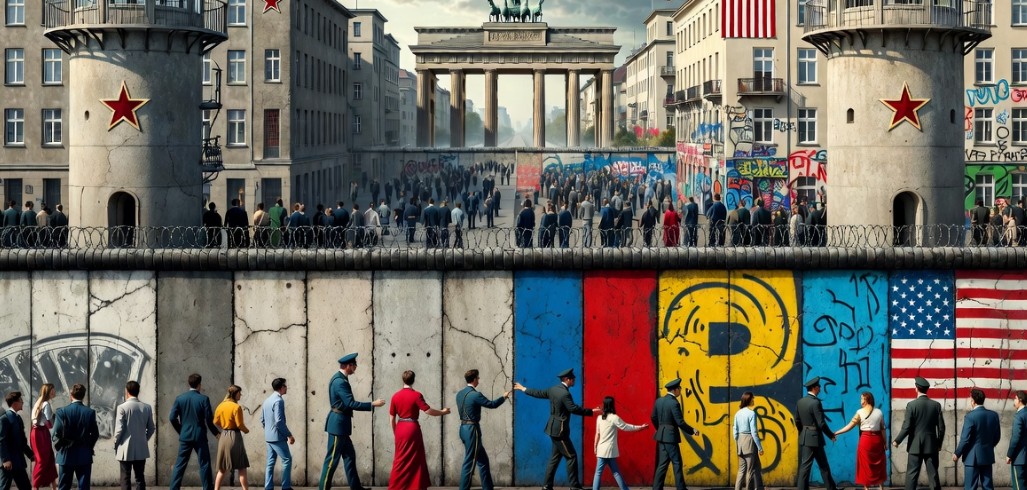
The conflict between Venezuela and the United States is the result of a complex combination of political, economic, ideological, and geopolitical factors that have developed over several decades. While tensions intensified in the 21st century, their foundations were laid much earlier and are deeply connected to Venezuela’s internal politics and its strategic importance on the global stage.
Ideological Differences and Political Systems
One of the main causes of the conflict is the sharp ideological divide between the two countries. Since the rise of Hugo Chávez to power in 1999, Venezuela has pursued a socialist political model known as the “Bolivarian Revolution.” This model emphasized state control over key industries, social welfare programs, and strong anti-imperialist rhetoric, often directly criticizing U.S. foreign policy.
The United States, on the other hand, has traditionally promoted liberal democracy, free markets, and private enterprise. Washington has accused Venezuelan governments—especially under Chávez and later Nicolás Maduro—of undermining democratic institutions, suppressing political opposition, and restricting freedom of the press. These opposing political visions have made cooperation increasingly difficult.
Oil and Economic Interests
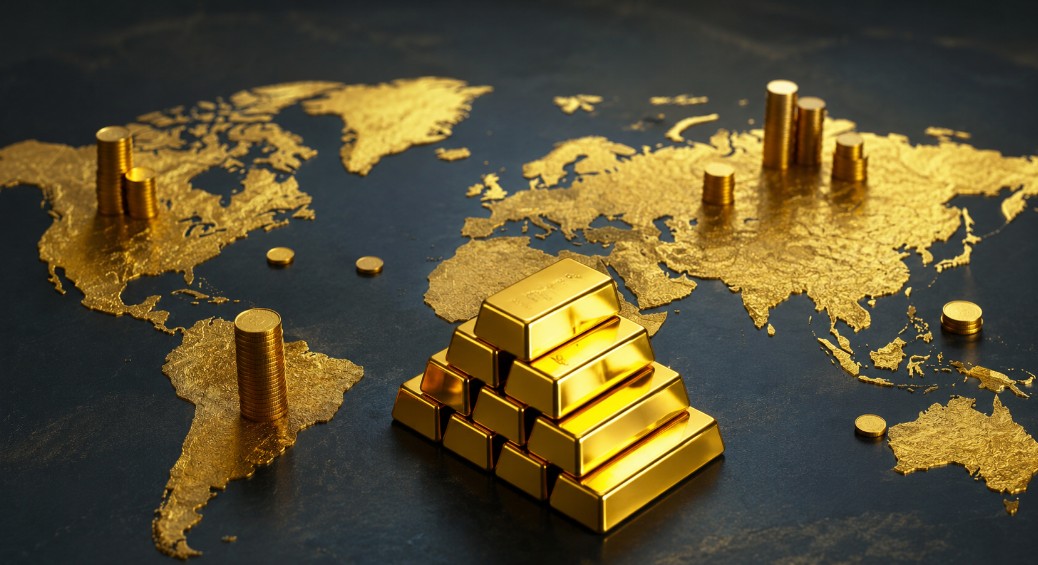
Venezuela possesses the largest proven oil reserves in the world, making it a strategically important country in global energy markets. Historically, the United States was one of Venezuela’s largest oil trading partners. However, nationalization of the oil industry and increased state control under Chávez significantly altered this relationship.
U.S. officials and companies viewed these policies as hostile to foreign investment. In response to what Washington described as corruption, mismanagement, and authoritarian governance, the U.S. imposed economic sanctions aimed at pressuring the Venezuelan government. Caracas, in turn, has argued that these sanctions amount to “economic warfare” and are a major cause of the country’s economic crisis.
Sanctions and the Humanitarian Crisis
U.S. sanctions, particularly those imposed after 2015, targeted Venezuelan officials, financial institutions, and the state oil company. The United States claims these measures are intended to encourage democratic reforms and accountability.
Venezuela’s government and its allies argue that sanctions have worsened shortages of food, medicine, and basic goods, contributing to a severe humanitarian crisis. This disagreement over responsibility has become a central point of tension between the two countries.
Geopolitical Rivalries
The Venezuela–U.S. conflict is also part of a broader global power struggle. Venezuela has strengthened ties with U.S. rivals such as Russia, China, and Iran, seeking economic and military cooperation. For Washington, this alignment is viewed as a challenge to U.S. influence in the Western Hemisphere.
From Venezuela’s perspective, these partnerships are a way to counterbalance U.S. pressure and assert national sovereignty. This geopolitical rivalry has further deepened mistrust and confrontation.
Recognition of Leadership and Legitimacy
Another major flashpoint occurred in 2019, when the United States recognized opposition leader Juan Guaidó as Venezuela’s interim president, arguing that Nicolás Maduro’s re-election was illegitimate. This move was strongly rejected by the Venezuelan government, which accused the U.S. of attempting regime change.
The dispute over political legitimacy remains unresolved and continues to fuel diplomatic hostility.
Conclusion
The conflict between Venezuela and the United States is not the result of a single event but rather a long-standing accumulation of ideological disagreements, economic interests, sanctions, and geopolitical competition. Until there is progress in political dialogue, economic stabilization, and mutual trust, tensions between the two countries are likely to persist, affecting not only bilateral relations but also regional stability in Latin America.