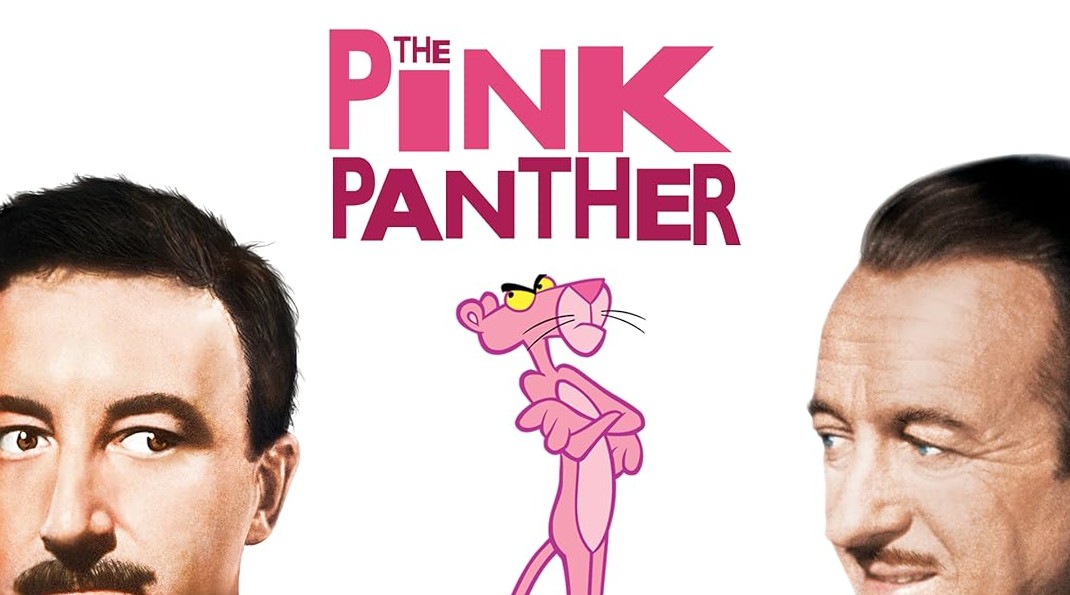
Few cinematic creations have captured the global imagination quite like “The Pink Panther.” What began as a jewel-heist caper soon evolved into a multi-faceted franchise, celebrated for its iconic theme music, its brilliantly bumbling detective, and an animated feline that became a star in its own right.
The Genesis: From Diamond to Detective
The saga began in 1963 with the film “The Pink Panther,” directed by Blake Edwards. The plot revolved around the theft of a priceless diamond known as “The Pink Panther,” owned by a glamorous princess. While the film featured a cast of charming thieves and sophisticated characters like David Niven’s Sir Charles Lytton, it was the bumbling, accident-prone French police inspector, Jacques Clouseau, played by the incomparable Peter Sellers, who unexpectedly stole the show.
Sellers’ portrayal of Clouseau—a man of immense self-regard despite his profound ineptitude, a master of disguise who invariably looked ridiculous, and a magnet for chaos—was an instant hit. His fractured English, absurd logic, and physical comedy turned a supporting role into the undisputed lead.
The Reign of Error: Peter Sellers and Blake Edwards
The immediate success of Sellers’ Clouseau led to a series of sequels that firmly cemented his legacy. Films like “A Shot in the Dark” (1964), “The Return of the Pink Panther” (1975), “The Pink Panther Strikes Again” (1976), and “Revenge of the Pink Panther” (1978) became classics of slapstick comedy.
The genius behind this era was the partnership between Peter Sellers and director Blake Edwards. Edwards, a master of physical comedy and farce, understood how to amplify Clouseau’s disastrous encounters with everything from revolving doors to his long-suffering boss, Chief Inspector Dreyfus (brilliantly played by Herbert Lom), whose sanity slowly unravelled with each of Clouseau’s blunders. Their on-set relationship was famously tempestuous, but the magic they created together on screen was undeniable.
The Slinky Soundtrack: Henry Mancini’s Masterpiece
No discussion of The Pink Panther is complete without mentioning its instantly recognizable theme music, composed by the legendary Henry Mancini. Slinky, sophisticated, and utterly unforgettable, the jazz-infused melody perfectly encapsulated the smooth criminal world and the cartoonish capers of the series. It became one of the most famous film themes of all time, instantly conjuring images of a suave, shadowy figure—or perhaps, a very clumsy one. Mancini’s score contributed massively to the films’ distinct atmosphere and timeless appeal.
Beyond the Silver Screen: The Animated Icon
Curiously, the opening credits of the original 1963 film introduced an animated version of the Pink Panther, a suave, silent, and mischievous cartoon feline who interacted with the credits themselves. This animated character proved so popular that he soon spun off into his own series of animated shorts, beginning in 1969.
These cartoons, often wordless and relying purely on visual gags, developed a distinct identity separate from the live-action films. The Pink Panther, cool and collected, often outwitted humans and various antagonists, displaying a unique brand of surreal humor and minimalist charm. He became a global cartoon superstar, further broadening the franchise’s reach and ensuring its presence in popular culture for generations.
A Lasting Legacy of Laughter
While later attempts to revive the live-action series with other actors (most notably Steve Martin) enjoyed some success, it is the Sellers/Edwards era that remains the gold standard. The Pink Panther, in all its forms, is a testament to perfect comedic timing, unparalleled acting, and a little bit of pink magic.
Whether it’s the sight of Inspector Clouseau creating disaster wherever he goes, the smooth saxophone opening of Mancini’s theme, or the silent, knowing glance of the animated Panther, the franchise continues to delight audiences worldwide, proving that some comedic gems, much like the diamond itself, are truly timeless.