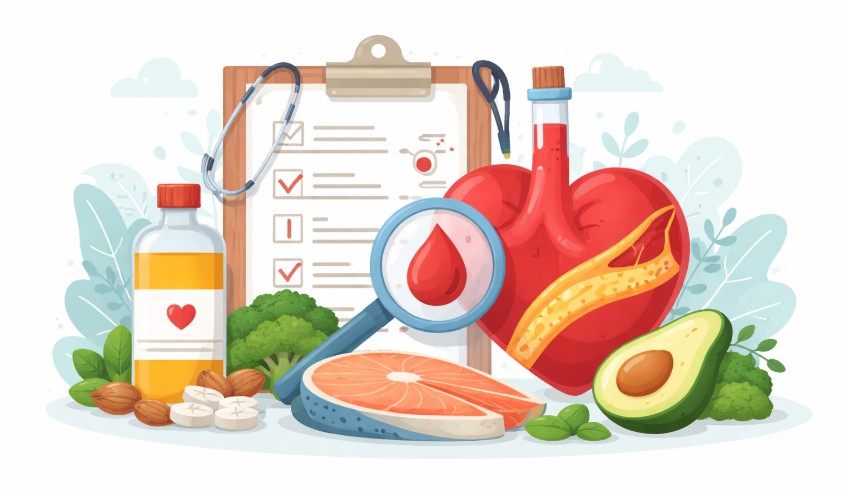
Cholesterol is a vital substance in the human body, but when its levels become unbalanced, it can pose serious health risks. While cholesterol plays an essential role in hormone production, cell structure, and digestion, high levels—especially of LDL cholesterol—are closely linked to heart disease and stroke. Understanding what cholesterol is, how it affects the body, and how to manage it effectively is key to maintaining long-term cardiovascular health.
Cholesterol is a waxy, fat-like substance found in all cells of the body. It is essential for producing hormones, vitamin D, and substances that help digest food. Cholesterol is produced by the liver and is also obtained from certain foods, mainly animal-based products.
No, cholesterol itself is not bad. The problem occurs when cholesterol levels in the blood become too high or when there is an imbalance between different types of cholesterol. Healthy levels are necessary for normal body functions.
– LDL (Low-Density Lipoprotein) is often called “bad cholesterol” because high levels can lead to plaque buildup in arteries.
– HDL (High-Density Lipoprotein) is known as “good cholesterol” because it helps remove excess cholesterol from the bloodstream and transports it to the liver for removal.
High cholesterol can be caused by several factors, including:
– Diet high in saturated and trans fats
– Lack of physical activity
– Obesity or excess body weight
– Smoking
– Excessive alcohol consumption
– Genetics (familial hypercholesterolemia)
– Certain medical conditions such as diabetes or hypothyroidism
High cholesterol usually has no noticeable symptoms. Many people are unaware they have it until it is detected through a blood test or after developing heart-related complications.
Cholesterol is measured using a lipid panel blood test, which typically includes:
– Total cholesterol
– LDL cholesterol
– HDL cholesterol
– Triglycerides
Doctors usually recommend testing every 4–6 years for adults, or more frequently for those at higher risk.
General guideline values:
– Total cholesterol: below 200 mg/dL
– LDL cholesterol: below 100 mg/dL
– HDL cholesterol: 40 mg/dL or higher (higher is better)
– Triglycerides: below 150 mg/dL
Target levels may vary depending on age, health status, and risk factors.
Yes. A heart-healthy diet can significantly reduce cholesterol levels. Recommended foods include:
– Fruits and vegetables
– Whole grains
– Oats and legumes
– Fatty fish (rich in omega-3 fatty acids)
– Nuts and seeds
– Olive oil
Reducing saturated fats, trans fats, and processed foods is also important.
Regular physical activity helps:
– Increase HDL (good cholesterol)
– Lower LDL (bad cholesterol)
– Improve overall cardiovascular health
At least 150 minutes of moderate exercise per week is generally recommended.
Medications such as statins may be prescribed if lifestyle changes are not enough or if the individual has a high risk of heart disease. Medication decisions should always be made by a healthcare professional.
In many cases, yes. Prevention strategies include:
– Maintaining a balanced diet
– Exercising regularly
– Avoiding smoking
– Limiting alcohol intake
– Managing stress
– Getting regular health checkups
Yes. High LDL cholesterol can lead to plaque buildup in arteries, increasing the risk of heart disease, heart attack, and stroke.