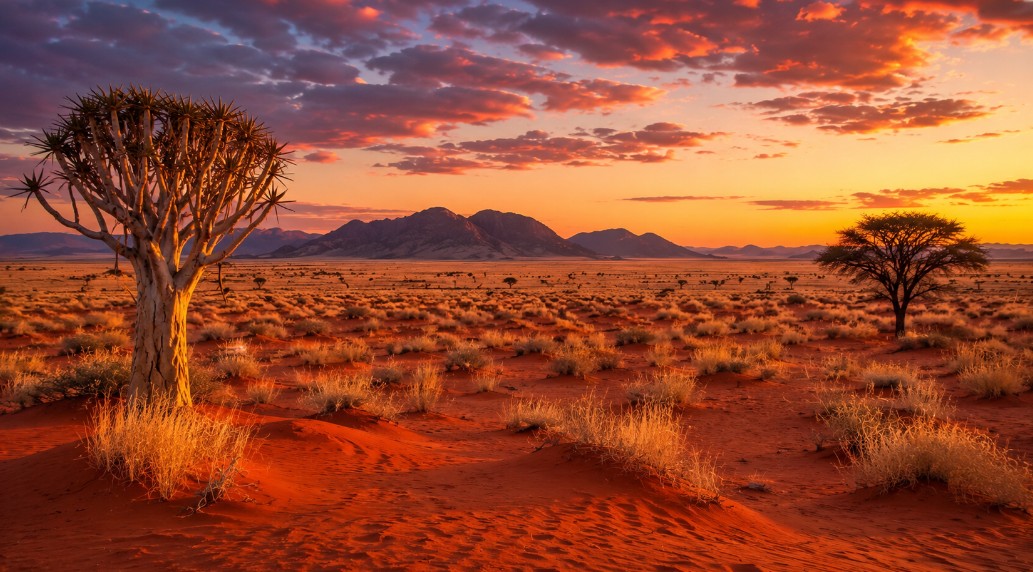
The camel, an iconic symbol of arid landscapes, is far more than just a beast of burden. It’s a biological marvel, perfectly engineered to thrive in some of the planet’s harshest environments. Understanding its natural habitat and how to interact responsibly with these incredible creatures is key to appreciating their enduring legacy.
The Amazing Camel: Built for Extremes
Before diving into their home, it’s essential to grasp the camel’s unparalleled adaptations:
- Humps: Contrary to popular belief, humps store fat, not water. This fat can be metabolized for energy and, crucially, water (producing about 1.1 grams of water per gram of fat). This centralized fat storage also helps regulate body temperature by minimizing insulation elsewhere.
- Water Conservation: Camels can drink vast amounts of water quickly (up to 40 gallons in one go) and can tolerate extreme dehydration, losing up to 25% of their body weight in water without adverse effects (humans can only tolerate about 12%). Their oval-shaped red blood cells can swell significantly without bursting when rehydrating.
- Temperature Regulation: They tolerate wide fluctuations in body temperature, allowing their core temperature to rise during the day to avoid sweating, and then dissipate heat at night.
- Feet: Wide, padded feet with two toes spread out, acting like snowshoes to prevent sinking into the sand.
- Facial Features: Long eyelashes, thick eyebrows, and sealable nostrils protect their eyes and respiratory system from sand and dust storms. Their tough, leathery lips allow them to consume thorny desert vegetation.
There are two main types:
- Dromedary (one hump): Predominantly found in the hot deserts of North Africa, the Middle East, and India.
- Bactrian (two humps): Adapted to the colder, high-altitude deserts and steppes of Central Asia.
The Camel’s Natural Habitat: A World of Extremes
The primary habitat of both wild and domesticated camels is arid and semi-arid regions, characterized by:
- Extreme Temperatures: Scorching hot days and often freezing cold nights.
- Limited Water Sources: Sparse rainfall and few perennial rivers or oases.
- Sparse Vegetation: Dominated by drought-resistant plants, including thorny shrubs, grasses, and saltbush.
- Vast Open Spaces: Extensive plains, sand dunes, and rocky terrain.
These are environments where most other large mammals would struggle to survive, making the camel’s dominance even more impressive.
Key Habitat Areas: Where Camels Roam
For Dromedary Camels:
- North Africa: Deserts like the Sahara, stretching across countries such as Morocco, Algeria, Tunisia, Libya, Egypt, Sudan, and Mauritania.
- Middle East: Arabian Peninsula (Saudi Arabia, UAE, Oman, Yemen), Jordan, Syria, Iraq, and Iran.
- India: Thar Desert in Rajasthan.
- Australia: Home to the world’s largest population of feral dromedary camels, introduced in the 19th century and now thriving in the vast interior deserts.
For Bactrian Camels:
- Central Asia: Gobi Desert (Mongolia, China), Taklamakan Desert (China), and other steppe regions in Kazakhstan, Uzbekistan, Turkmenistan, and Kyrgyzstan.
- Wild Bactrian camels are critically endangered, with very small populations clinging to existence in protected areas of the Gobi Desert in Mongolia and China.
Tips for Responsible Interaction and Habitat Preservation
Whether encountering camels in the wild or as part of a cultural experience, mindful interaction is crucial:
- Respect Their Space: If you encounter wild camels, observe them from a distance using binoculars. Never approach, chase, or attempt to feed them. Their natural instincts need to be preserved.
- Leave No Trace: When exploring desert environments, pack out everything you pack in. Litter, especially plastics, can harm wildlife and degrade the fragile desert ecosystem.
- Support Ethical Tourism: If participating in camel treks or tours, choose operators who demonstrate genuine care for their animals. Look for camels that appear healthy, well-fed, and are not overworked. Inquire about their welfare standards.
- Stay on Designated Paths: Off-roading can damage delicate desert flora and fauna, disturb archaeological sites, and contribute to soil erosion.
- Conserve Water: Even when taking part in organized tours, be mindful of water usage. Every drop counts in these arid regions.
- Educate Yourself and Others: Learn about the specific conservation challenges facing wild camel populations (especially the Bactrian). Support organizations working to protect their habitats.
- Do Not Disturb Natural Behaviors: Avoid making loud noises, shining bright lights (especially at night), or doing anything that could disrupt the camels’ natural patterns of grazing, resting, or socializing.
- Understand Local Customs: In many regions, camels are deeply intertwined with local culture and livelihoods. Be respectful of local traditions and the people who live alongside these animals.
The camel stands as a testament to nature’s incredible adaptability. By understanding its remarkable biology and respecting its harsh yet beautiful desert home, we can ensure that future generations continue to marvel at the "ships of the desert" navigating their ancient routes.