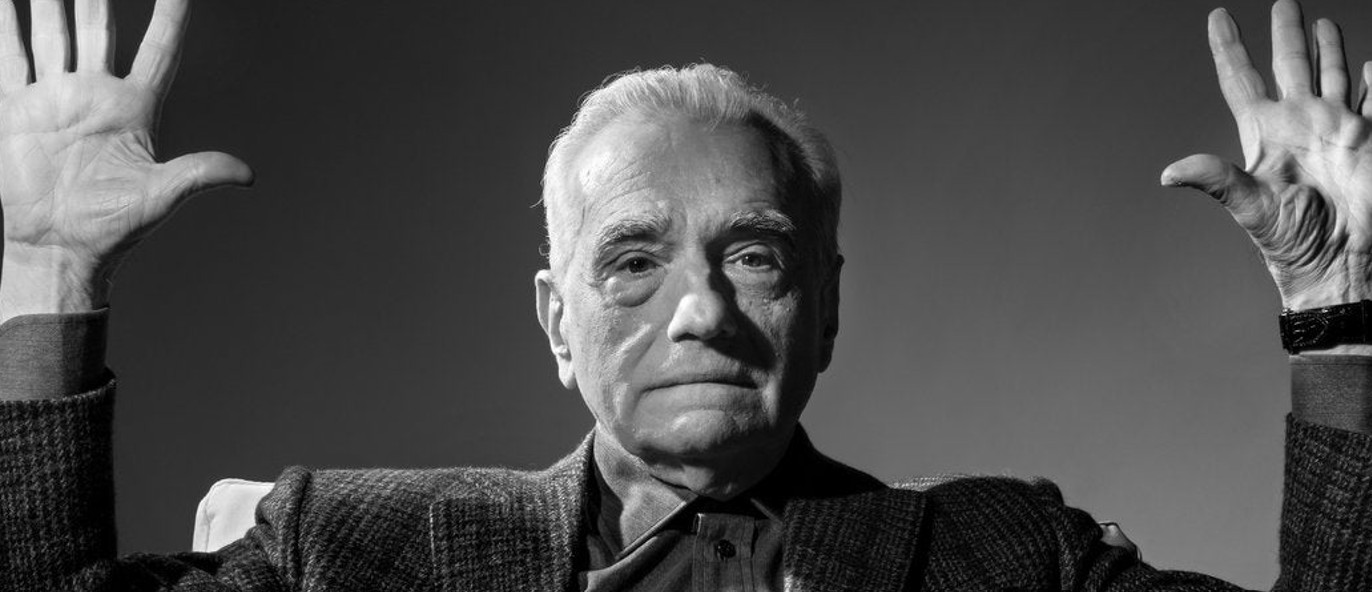
Few names resonate with the power and enduring influence of Martin Scorsese. For decades, his work has not just graced our screens; it has defined a certain kind of raw, visceral, and deeply human storytelling. From the gritty streets of Little Italy to the opulent, yet often corrupt, halls of power, Scorsese’s films are an uncompromising journey into the heart of the American experience, and indeed, the human condition itself.
But what is it about Scorsese that makes him such a singular force, a true cinematic titan whose filmography continues to inspire, provoke, and challenge?
A World Shaped by Guilt, Grace, and Grit
At the core of many Scorsese films lies a profound exploration of morality. Influenced by his Catholic upbringing and the bustling, often challenging, environment of New York City, his characters are frequently caught in a spiritual tug-of-war. They grapple with sin, redemption, loyalty, and betrayal.
Think of Jake LaMotta’s destructive self-sabotage in Raging Bull, the moral descent of Henry Hill in Goodfellas, or Travis Bickle’s unraveling psyche in Taxi Driver. Scorsese doesn’t just present violence; he dissects its origins, its consequences, and the psychological scars it leaves behind. His films are often psychological deep dives, forcing us to confront the uncomfortable truths about power, ambition, and the fragile line between righteousness and depravity.
The Signature Style: Kinetic Energy and Unforgettable Narratives
Beyond the thematic depth, Scorsese’s films are instantly recognizable for their unparalleled stylistic mastery. His camera is a character unto itself, always moving, observing, and drawing the audience into the unfolding drama.
Dynamic Camera Work: From sweeping long takes that build tension to rapid-fire edits that reflect a character’s frantic state, Scorsese’s camera is a master of rhythm and pacing.
The Power of the Voiceover: Often, a character’s internal monologue guides us, offering intimate access to their thoughts, fears, and justifications, creating an immersive, subjective experience.
Iconic Soundtracks: Scorsese doesn’t just use music; he integrates it. Classic rock, blues, and pop tracks become essential emotional beats, often counterpointing the on-screen action with ironic brilliance or amplifying a scene’s raw energy.
Thelma Schoonmaker: It’s impossible to discuss Scorsese’s style without mentioning his legendary editor, Thelma Schoonmaker. Their collaboration is one of the most enduring and effective in cinema, shaping the very pulse and rhythm of his narratives.
Muses and Masterpieces: The Unforgettable Ensembles
Scorsese has an uncanny ability to draw career-defining performances from his actors. His collaborations with Robert De Niro and later, Leonardo DiCaprio, are legendary. De Niro, in particular, became the embodiment of Scorsese’s complex anti-heroes, delivering raw, intense, and often terrifyingly vulnerable portrayals in films like Taxi Driver, Raging Bull, and Casino. DiCaprio, in turn, has brought a contemporary edge to Scorsese’s vision in films such as The Departed, The Wolf of Wall Street, and Killers of the Flower Moon.
These actors aren’t just performing roles; they’re inhabiting worlds, channeling Scorsese’s vision with an intensity that leaves an indelible mark.
Beyond the Director’s Chair: A Champion of Cinema
Scorsese’s influence extends far beyond his own filmography. He is a passionate advocate for film preservation, understanding the importance of our cinematic heritage. Through The Film Foundation and the World Cinema Project, he works tirelessly to restore and present classic films to new generations, ensuring that the art of cinema endures. He’s also a vocal commentator on the state of modern cinema, always pushing for artistic integrity and challenging us to think deeper about what movies can be.
The Enduring Legacy
Martin Scorsese is more than a director; he’s an institution. His films are not just stories; they are cultural touchstones, academic subjects, and deeply personal experiences for millions. He forces us to look at the darker corners of humanity, not to glorify them, but to understand them, to grapple with their implications, and ultimately, to reflect on our own moral compass.
As long as there are stories to tell about the human spirit in all its flawed, glorious, and sometimes terrifying complexity, the unmistakable mark of Martin Scorsese will continue to illuminate the true power of cinema.
What’s your favorite Martin Scorsese film and why? Share your thoughts in the comments below!