For decades, the mafia was widely perceived as an untouchable force, deeply ingrained in society; however, the younger generation is increasingly challenging this long-held perception. Equipped with greater information, stronger connections, and heightened social consciousness, many young Italians are now actively rejecting the passive acceptance of mafia activity that characterized previous generations.
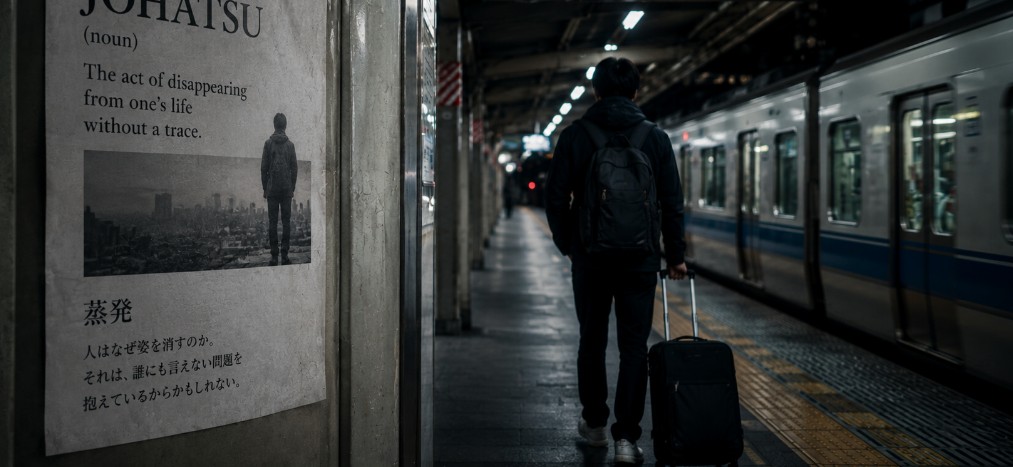
Persistence of Fear and Silence in Daily Life Despite a growing awareness, fear continues to be an potent deterrent, particularly in areas where organized crime maintains a strong presence, compelling young people to often remain silent out of necessity. Young individuals might refrain from discussing the mafia even with close friends, often growing up hearing cautionary phrases such as “it’s better not to get involved” or “it’s none of our business.”
The Drive for Justice and Social Change Simultaneously, a significant number of young Italians express a profound yearning for justice, fairness, and transparency – values inherently at odds with criminal influence. This sentiment has ignited a keen interest in activism, educational initiatives, and cultural movements designed to expose, challenge, and ultimately dismantle the systemic presence of organized crime.
Education: A Potent Weapon Against Organized Crime Schools and universities have emerged as pivotal venues for cultivating awareness about the mafia, utilizing books, films, and survivor testimonies to educate young minds. Students are encouraged to critically examine how organized crime’s pervasive influence extends beyond politics and business, impacting daily life, culture, and personal opportunities.
Digital Activism: Harnessing the Power of Social Media The emergence of social media has provided a potent platform for young Italians to speak out against the mafia, particularly in areas where direct confrontation would be deemed too risky. Through videos, blogs, and online campaigns, they can share personal narratives, disseminate awareness, and denounce injustice, effectively reaching thousands without needing to leave their homes.
Embracing Anti-Mafia Symbols and Local Heroes
Figures such as Giovanni Falcone and Paolo Borsellino continue to serve as potent inspirations for young people, embodying courage and sacrifice in the struggle against mafia violence. Youth groups frequently organize commemorations, create murals, initiate school projects, and stage public demonstrations, all with the aim of preserving their enduring legacy and vital message.
Complex Loyalties in Economically Vulnerable Regions
In regions suffering from a scarcity of legal employment, the mafia frequently steps in to fill economic voids, offering jobs or financial assistance that can foster a complex sense of loyalty. Some young individuals acknowledge that despite their disapproval of mafia values, they comprehend why certain people resort to such groups when formal state support is perceived as lacking.
Challenging the Mafia’s Cultural Portrayal
A growing number of young Italians are increasingly critical of the romanticized portrayal of mafia-related themes in film, music, and television, recognizing that these depictions often perpetuate damaging stereotypes. This heightened awareness is driving a significant cultural shift, inspiring young artists and writers to develop alternative narratives centered on themes of resistance, community, and integrity.
The Risks of Dissent and the Courage of a Minority
Publicly opposing the mafia often entails significant personal repercussions, with many young activists enduring threats, social isolation, or professional disadvantages due to their stance. Nevertheless, a brave minority persists in vocal and unequivocal opposition, viewing silence as a more profound threat to the future than any form of intimidation or reprisal.
Engagement with NGOs and Civic Organizations
Participation by young people in anti-mafia organizations and civil society groups has risen, particularly in campaigns advocating for a legal economy and social justice. Such initiatives encompass the reclamation of assets seized from criminal organizations, supporting whistleblowers, and public education regarding mafia-related corruption.
Generational Differences in Mafia Perceptions
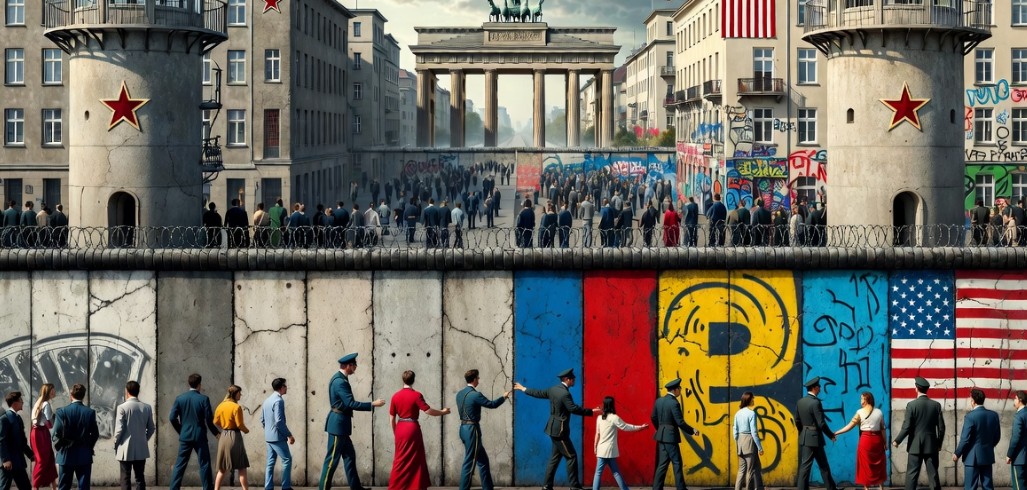
Young Italians frequently voice frustration with older generations, whom they perceive as more tolerant of mafia influence, whether due to fear or ingrained habits of silence. While this generational divergence can generate tension within families and communities, it also represents a potential watershed moment in the national discourse.
Hope for a Different Future
Despite the inherent dangers and complexities, young people hold a strong conviction that meaningful change is possible through collective effort. By prioritizing transparency, innovation, and civic engagement, they envision a future where the mafia’s grip on Italian life is finally shattered.
The Need for Institutional Support and Long-Term Solutions
Young Italians understand that individual courage and activism alone are insufficient, and therefore advocate for substantial institutional support in the form of jobs, education, and justice reform. They urge the state to invest in tangible opportunities, protect whistleblowers, and ensure that anti-mafia measures are not merely symbolic, but systemic and enduring.
Conclusion: Courage, Clarity, and Change
Despite the inherent risks, young Italians today are notably more informed, connected, and resolute in confronting the legacy of organized crime than ever before. Leveraging education, activism, and a clear moral stance, they are actively reshaping the national identity and demanding a country liberated from fear, silence, and corruption.