Introduction
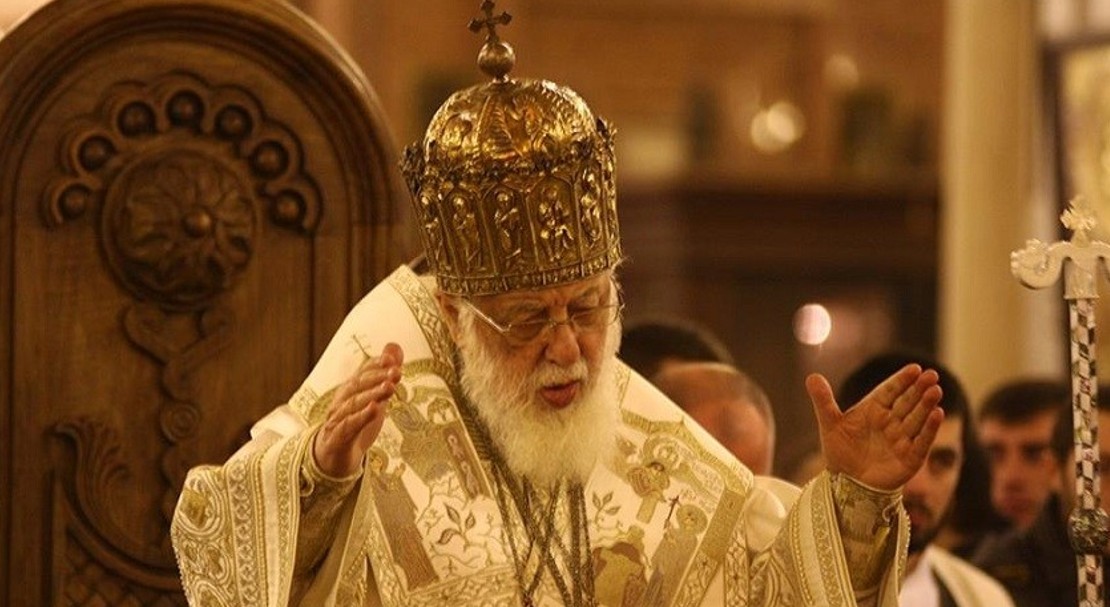
Ilia II of Georgia, Catholicos-Patriarch of All Georgia, was one of the most influential religious figures in modern Georgian history. Serving as the head of the Georgian Orthodox Church from 1977 until his death in 2026, he guided the nation through some of its most challenging and transformative decades. His leadership extended far beyond religion, shaping national identity, culture, and public life in profound ways.
Early Life and Religious Formation
Ilia II was born on January 4, 1933, in Vladikavkaz. From an early age, he showed a deep interest in theology and spiritual life. He pursued his religious education in Moscow, where he studied at the theological seminary and academy.
His early career within the Church was marked by discipline, intellectual strength, and dedication. Over time, he rose through the ecclesiastical ranks, earning respect both within Georgia and across the broader Orthodox world.
Becoming Patriarch in the Soviet Era
In 1977, Ilia II was enthroned as Catholicos-Patriarch of All Georgia during a period when Georgia was still under Soviet rule. Religious institutions were heavily restricted, and the Georgian Orthodox Church faced significant limitations.
Despite these challenges, Ilia II managed to preserve the Church’s structure and spiritual influence. Through careful diplomacy and quiet resilience, he maintained religious traditions and laid the groundwork for future revival.
Role in Post-Soviet Georgia
Following Georgia’s independence in 1991, Ilia II emerged as one of the most important figures in the country. His leadership coincided with a period of political instability, economic hardship, and internal conflict.
During this time, he played a crucial role in:
- Reviving religious life and restoring churches
- Strengthening national unity and identity
- Acting as a mediator during political crises
Under his guidance, the Georgian Orthodox Church experienced a remarkable resurgence, becoming one of the most trusted institutions in the country.
Influence on Society and Culture
Ilia II’s impact extended deeply into Georgian society. He became a symbol of moral authority and spiritual guidance for millions of people.
His contributions included:
- Promoting traditional values and cultural heritage
- Encouraging social cohesion and peace
- Supporting large families through his mass baptism initiative
He personally became the godfather to thousands of children, an initiative that significantly increased his connection with ordinary citizens.
Personal Traits and Leadership Style
Strengths
- Spiritual authority: His sermons and teachings inspired generations
- Diplomatic leadership: He skillfully balanced relations between Church and state
- Charisma and humility: Widely admired for his calm and approachable nature
- Cultural preservation: A strong defender of Georgian traditions
Criticism and Controversies
- Conservative stance: Critics argued that the Church resisted liberal reforms
- Political proximity: Some believed the Church held excessive influence in politics
- Positions on social issues: His views on topics such as LGBTQ+ rights drew international criticism
Despite these criticisms, many Georgians viewed his positions as consistent with Orthodox Christian teachings and national values.
Final Years and Health
In his later years, Ilia II’s public appearances became less frequent due to his advanced age. Nevertheless, he remained an active spiritual figure, delivering messages on important religious and national occasions.
His health was closely followed by the public, reflecting his immense importance to Georgian society.
Death and Funeral
Patriarch Ilia II passed away on March 17, 2026, at the age of 93, following a brief hospitalization reportedly caused by internal bleeding. His death marked the end of nearly five decades of leadership over the Georgian Orthodox Church.
In response, the Georgian government declared a period of national mourning. His passing was met with widespread grief across the country, as well as condolences from international leaders and religious communities.
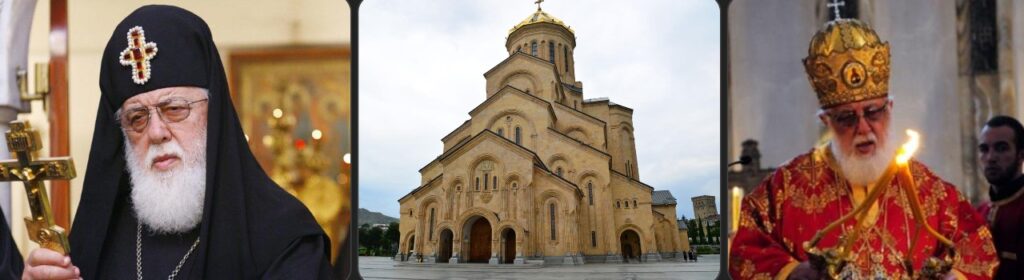
Thousands of citizens gathered in Tbilisi to pay their respects. His body was placed in the Holy Trinity Cathedral (Sameba), where funeral services were held.
The funeral took place on March 22, 2026, becoming one of the most significant national events in recent Georgian history. Clergy, political leaders, and members of the public attended the ceremony in large numbers.
Following his death, Metropolitan Shio Mujiri assumed the role of locum tenens until a new Patriarch is elected.
Legacy
Ilia II’s legacy is deeply embedded in the modern history of Georgia. He transformed the Georgian Orthodox Church from a suppressed institution during the Soviet era into a central pillar of national life.
His influence can be seen in:
- The revival of religious identity
- The strengthening of national unity
- The enduring role of the Church in public affairs
For many, he remains a spiritual father and a symbol of resilience and faith.
Conclusion
Patriarch Ilia II was not only a religious leader but also a defining figure in Georgia’s modern development. His life combined spiritual devotion, cultural leadership, and political influence in a way that few individuals have achieved.
His passing marks the end of an era, but his impact will continue to shape Georgia for generations to come.
Sources
- U.S. Department of State – On the Death of Ilia II, Catholicos-Patriarch of the Georgian Orthodox Church
- Wikipedia – Ilia II of Georgia
- Reuters – Ilia II, patriarch who led Georgian Church out of the Soviet Union, dies at 93
- Associated Press – Georgian Orthodox Patriarch Ilia II dies at 93
- Wikipedia – 2026 Georgian Patriarchal Election