Fontina, a celebrated Italian cheese from the Aosta Valley, boasts a creamy texture, earthy flavor, and remarkable culinary versatility. Its distinct qualities are intrinsically linked to its origins in this northwestern Italian region and the traditional production techniques employed. With a history spanning over eight centuries, Fontina is globally recognized as one of the most exceptional semi-soft cheeses, favored by chefs and culinary enthusiasts alike.
The Historical Roots of Fontina Cheese
For over 800 years, Fontina’s story has been intertwined with the Aosta Valley, a region nestled within the Italian Alps where it’s believed to have originated. This mountainous terrain, abundant with pastures, provided optimal conditions for dairy farming. The cows’ diet of lush grasses and herbs directly contributes to the creamy, rich milk that defines Fontina’s unique flavor profile.
The name “Fontina” itself is derived from the Fontin mountains in the Aosta Valley, further emphasizing the cheese’s strong geographical connection. Authentic Fontina continues to be produced using traditional methods, safeguarded by Italy’s Protected Designation of Origin (PDO) regulations.
Fontina’s Protected Designation of Origin (PDO)
The Fontina PDO guarantees that the cheese is authentic, produced exclusively in the Aosta Valley using specific ingredients and time-honored methods. This certification ensures that the milk used comes from local Valdostana cows, renowned for their rich, high-fat milk.
PDO regulations mandate the use of raw, unpasteurized milk, and the cheese must mature for a minimum of three months in the region’s cool, humid caves. These stringent guidelines uphold the traditional production methods and safeguard the cheese’s integrity, ensuring each wheel is of the highest quality and reflects its true origins.
The Essence of Fontina: A Flavor Journey
Fontina cheese presents a delightful semi-soft to firm texture, characterized by a smooth creaminess that intensifies into a buttery richness as it matures. Its flavor profile is intricate and earthy, a direct reflection of the lush mountain pastures where the cows graze. Younger Fontina boasts a delicate nutty taste, which evolves into a more pronounced and subtly tangy flavor as it ages.
Fontina’s interior is a pale yellow canvas speckled with small holes, while its exterior is adorned with a natural reddish-brown rind, a hallmark of the aging process. Authentic Fontina possesses a robust, pungent aroma, a testament to the raw milk used in its creation. This aroma, coupled with its creamy texture, makes Fontina an exceptional melting cheese, frequently featured in fondues and luscious cream sauces.
Crafting Fontina: A Time-Honored Tradition
The creation of Fontina cheese through traditional methods is a labor of love, demanding skill and precision to ensure each wheel meets the highest standards of quality and consistency. Here’s a glimpse into the process:
- Milk Sourcing and Preparation: Fontina is crafted from the milk of Valdostana cows, who graze on the fragrant, herb-rich pastures of the Aosta Valley. The cows are milked twice daily, and their milk is used raw, preserving its natural flavors and beneficial bacteria. The milk is gently warmed in copper vats to the optimal temperature for the addition of natural rennet, an agent that initiates curdling.
- Curdling and Whey Separation: Upon the introduction of rennet, the milk begins its transformation into a soft curd. This curd is then meticulously cut into smaller pieces to release the whey, the liquid component of the milk. The curds are gently stirred and reheated to encourage further whey expulsion and firming.
- Shaping and Pressing: Once the curds have reached the desired firmness, they are transferred to molds and pressed to remove any remaining whey and shape the cheese. The cheese is turned repeatedly during this process to ensure even pressing and a uniform shape.
- Salting for Flavor and Preservation: After shaping, the cheese undergoes salting, either through direct application of salt to the exterior or immersion in a brine solution. This step is crucial for flavor development and acts as a natural preservative.
- Aging to Perfection: Fontina is aged in caves or cellars for a minimum of three months, with some varieties aged even longer to achieve a more intense flavor. The cool, humid conditions of the Aosta Valley caves provide an ideal environment for maturation. During aging, the cheeses are regularly turned and wiped to promote the development of the natural rind.
Fontina Variations: A World of Differences
While authentic Fontina from the Aosta Valley holds the most esteemed position, various other Fontina cheeses are produced in other parts of Italy and countries such as Sweden, Denmark, and the United States. However, these versions often differ significantly from the original Fontina PDO in terms of flavor and texture, typically due to the use of pasteurized milk and industrial production methods.
The Italian government diligently safeguards the authenticity of Aosta Valley Fontina, ensuring it remains the benchmark for cheese connoisseurs. While other varieties may be enjoyable, they often lack the intricate and profound flavor that results from the traditional production process.
Culinary Uses of Fontina Cheese
Fontina cheese’s versatility in culinary applications stems from its creamy consistency and robust flavor profile. Its exceptional melting qualities make it a cornerstone of classic Alpine dishes like fondue and raclette. Its subtle, nutty notes also enhance sauces, meat stuffings, and creamy pasta creations.
- Fondue: Fontina takes center stage in the Italian fondue, Fonduta Valdostana, a rich, melted cheese delicacy often enriched with egg yolks and milk. This warm, comforting dish is traditionally served with bread cubes for dipping, perfect for chilly evenings.
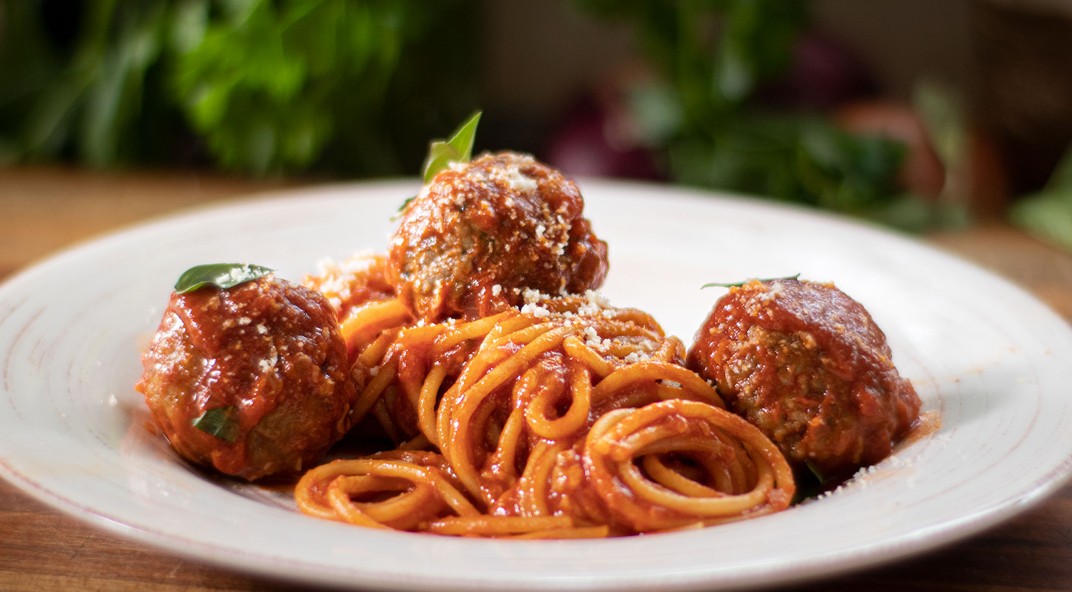
- Pizza and Pasta: As a pizza topping, Fontina melts beautifully, complementing without dominating other flavors. It also elevates pasta dishes, particularly creamy sauces or baked recipes such as lasagna.
- Sandwiches and Charcuterie: Fontina’s semi-soft texture makes it ideal for sandwiches or charcuterie boards. Its mild taste harmonizes with cured meats, fresh fruits, and wines, especially those from the Aosta Valley.
In conclusion, Fontina cheese is a culinary treasure, exemplifying Italy’s rich dairy heritage. From its origins in the Aosta Valley to its esteemed position in global cuisine, Fontina represents the art of cheesemaking. Its complex flavor, smooth texture, and adaptability in cooking have solidified its standing in both everyday meals and gourmet dishes. Whether enjoyed in fondue, melted on pizza, or savored independently, Fontina cheese is a timeless classic with deep roots in Italian heritage.